
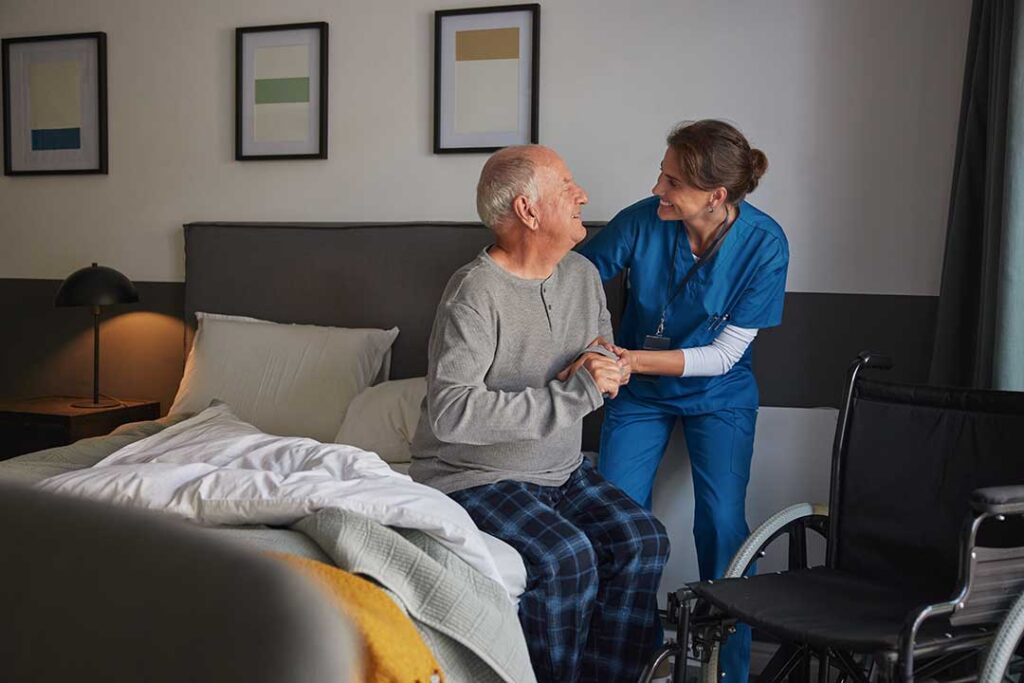
What does assisted living provide for older adults?
Assisted living provides a residential setting where older adults can receive help with everyday activities while maintaining as much independence as possible. Support may include meals, housekeeping, medication reminders, transportation, personal care, and access to staff throughout the day and night.
The purpose is not to take over every part of a resident’s life. A well-matched assisted living arrangement helps with tasks that have become difficult or unsafe while allowing the person to continue making choices about routines, activities, visitors, and personal preferences.
For households in Quarryville, assisted living may be considered when maintaining a private home has become physically demanding, family caregivers are stretched thin, or safety concerns are becoming more frequent.
How can assisted living improve daily safety?
Assisted living can reduce common household risks by providing an environment designed around the needs of older adults. Features may include accessible bathrooms, fewer stairs, improved lighting, handrails, emergency response systems, and staff available to notice changes in a resident’s condition.
This can be particularly helpful for someone who has experienced:
- Falls or near-falls
- Difficulty using a stove or managing household equipment
- Confusion about medications
- Trouble getting to the bathroom safely
- Weakness that makes bathing or dressing risky
- Increasing difficulty responding to emergencies
Moving to assisted living does not eliminate every risk. Residents can still fall, become ill, or need a higher level of care. The benefit is that problems may be recognized sooner, and assistance is generally more accessible than it would be in an isolated home setting.
Seasonal conditions can also affect safety. Snow, ice, heavy rain, and shorter winter daylight may make outdoor walking, driving, and home maintenance more challenging. A setting with indoor walkways, planned transportation, and help with routine tasks can reduce the need for older adults to manage those hazards alone.
Can assisted living help seniors remain independent?
Yes. Assisted living is often most useful when it supports independence rather than requiring a person to do everything without help.
For example, a resident may no longer be able to prepare three meals, manage laundry, and maintain a large home safely. That does not mean the person has lost the ability to choose clothing, attend activities, visit with family, manage personal interests, or decide how to spend the day.
Support with basic tasks can conserve energy for meaningful activities. A resident who receives help with bathing may still be able to walk, participate in an exercise class, read, garden in a shared space, or maintain regular phone calls with relatives.
Independence should be measured by choice and participation, not only by how many tasks someone completes without assistance.
What social benefits can assisted living offer?
Social connection is a significant benefit for older adults who live alone or have limited transportation. Assisted living creates more opportunities for casual conversation, shared meals, group activities, and friendships with people in a similar stage of life.
Regular interaction may help reduce loneliness and give structure to the week. Activities might include:
- Games, crafts, music, or discussion groups
- Exercise or stretching sessions
- Religious, cultural, or educational programs
- Outdoor time and seasonal events
- Shared meals and informal gatherings
- Transportation for errands or community activities
Participation should remain voluntary. A quiet resident may prefer small conversations or individual hobbies rather than large group events. The right setting respects different personalities instead of treating social activity as a requirement.
Family relationships may also improve when relatives are no longer responsible for every meal, chore, transportation need, or safety check. Visits can focus more on companionship and less on completing a long list of caregiving tasks.
How does assisted living support medication and health routines?
Many older adults take several medications or have health routines that are difficult to manage consistently. Assisted living may provide reminders, observation, or medication administration depending on the residence, the person’s needs, and applicable regulations.
This support can help reduce problems such as missed doses, duplicate doses, confusion about instructions, or medications being taken at the wrong time. Staff may also notice changes such as reduced appetite, unusual tiredness, confusion, swelling, or difficulty walking.

Assisted living is not the same as a hospital or nursing facility. Residents may still need outside medical care, specialist visits, rehabilitation, or additional services. Families should ask exactly what staff can do, who manages medications, how emergencies are handled, and what happens if care needs increase.
Does assisted living help family caregivers?
Assisted living can reduce the practical and emotional strain placed on family caregivers. Relatives often begin by helping with groceries, transportation, home repairs, paperwork, or occasional check-ins. Over time, those responsibilities may expand into daily medication oversight, bathing assistance, meal preparation, and nighttime supervision.
This gradual change can create stress, especially when family members have jobs, health concerns, or responsibilities in their own households. A residential setting may provide consistent assistance while allowing relatives to remain involved in decisions and visits.
Family involvement does not end after a move. Relatives may still help with appointments, personal purchases, finances, advocacy, and emotional support. The difference is that one family member may no longer need to be available for every routine task or urgent concern.
Is assisted living appropriate for someone with memory loss?
It may be appropriate for some people with early or moderate memory loss, but the answer depends on the person’s safety needs and the residence’s capabilities. Assisted living communities differ in how they handle wandering, nighttime confusion, medication management, personal care, and behavioral changes.
Memory loss may make ordinary home routines unsafe. Someone might leave a door open, forget a burner, miss medications, become disoriented outdoors, or have difficulty recognizing an emergency. A structured setting can provide reminders, familiar routines, and observation.
However, advanced dementia or significant medical needs may require a specialized memory care setting or skilled nursing care rather than standard assisted living. A careful assessment should consider current abilities, likely progression, and whether the setting can meet changing needs without an abrupt move later.
What should Quarryville households consider before making a decision?
The decision should be based on actual needs, not age alone. A person may benefit from assisted living because of mobility limitations, isolation, caregiver strain, or difficulty maintaining a home—not simply because the person has reached a certain age.
Useful questions include:
- Which daily tasks require help now?
- Are there recent falls, medication mistakes, or missed meals?
- Can the person safely remain alone overnight?
- How often are family members providing unpaid care?
- What level of help is available during weekends and overnight hours?
- Can the residence accommodate mobility equipment or changing care needs?
- What costs are included, and which services have additional charges?
- How are transportation, medical visits, emergencies, and hospital returns handled?
A visit can reveal practical details that brochures or online descriptions may not show. Notice whether common areas are clean and navigable, whether residents appear engaged or withdrawn, and whether staff communicate respectfully. Ask for clear explanations rather than relying on general terms such as “supportive” or “personalized.”
Assisted living is not the right choice for every older adult. Some people can remain safely at home with reliable family support and appropriate modifications. Others may need a higher level of medical care. The most suitable option is the one that matches present needs, preserves dignity, and allows room for future changes.
