
Assisted living activities are meant to support movement, social connection, creativity, learning, and personal choice. A well-rounded recreation program should offer more than a daily calendar of scheduled events; it should help residents maintain familiar interests while discovering manageable new routines.
For residents and families in Quarryville, understanding how activities work can make it easier to evaluate whether a community’s program fits a person’s abilities, preferences, and daily rhythm.
What types of activities are offered in assisted living?
Most assisted living communities provide a combination of social, physical, creative, educational, spiritual, and recreational activities. Programs vary by community, staffing, resident interests, and available indoor and outdoor space.
Common examples include:
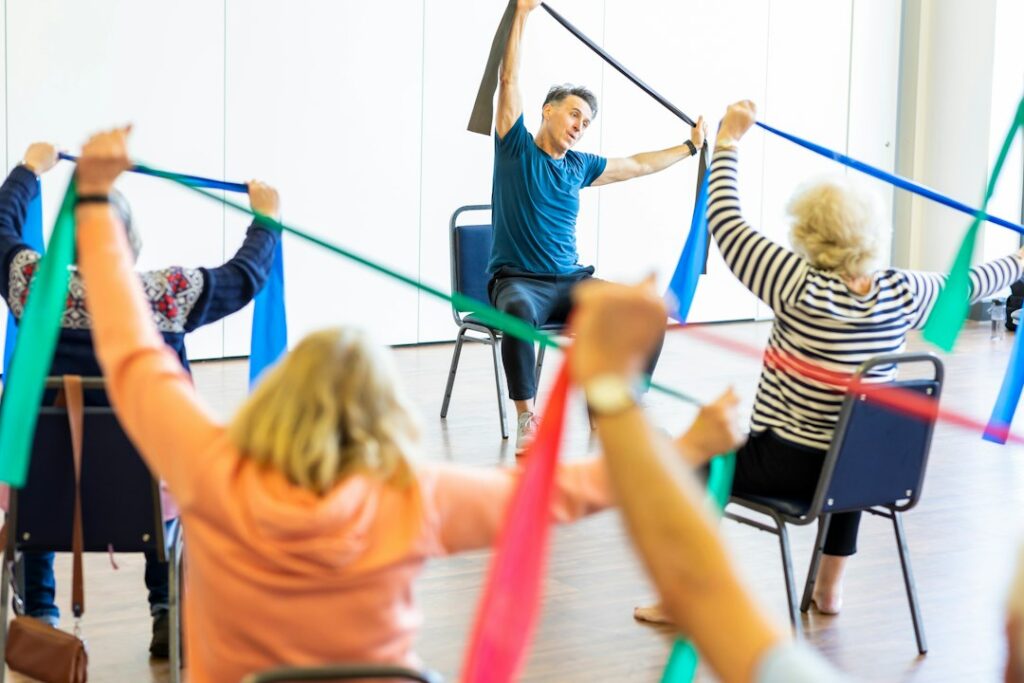
- Seated exercise, stretching, balance practice, and walking groups
- Card games, puzzles, trivia, and board games
- Painting, crafts, gardening, and seasonal decorating
- Music listening, sing-alongs, dancing, and live performances
- Reading groups, current-events discussions, and educational talks
- Cooking demonstrations and supervised baking
- Faith-based gatherings and quiet reflection
- Movie afternoons and themed social events
- Birthday celebrations and resident welcome gatherings
- Outings, scenic drives, and visits from community guests
The strongest programs usually provide several choices each day rather than expecting every resident to enjoy the same activity.
Are activities required in assisted living?
No. Residents generally choose whether to participate, and declining an activity should not result in pressure or embarrassment. Some people prefer a busy schedule, while others need quiet time, rest periods, or one-on-one interaction.
Participation can also change from day to day. A resident may attend exercise in the morning but skip an afternoon event because of fatigue, pain, an appointment, or a preference for reading privately.
Activities should be invitations, not obligations. Staff may encourage participation when social isolation or inactivity becomes a concern, but residents should still retain reasonable control over how they spend their time.
How are activities adapted for different abilities?
Recreation programs should be flexible enough for people with different levels of strength, hearing, vision, memory, balance, and communication ability. Adaptations may include shorter sessions, simpler instructions, larger-print materials, seated versions of physical activities, or additional staff support.
For example, a group game might be adjusted by:
- Using large, high-contrast cards
- Reading instructions aloud
- Allowing extra time for responses
- Pairing residents who enjoy working together
- Offering a quieter area for people sensitive to noise
- Replacing competitive scoring with cooperative play
Residents living with memory loss may benefit from familiar music, repetitive crafts, folding activities, photo conversations, or reminiscence programs. The goal is not to test memory. The goal is to create comfort, purpose, and connection.
Why do recreation activities matter?
Regular activities can support emotional health, physical function, mental stimulation, and social relationships. They may also give structure to the day, which can reduce the sense that time is passing without purpose.
A familiar activity can help a resident maintain identity. Someone who enjoyed gardening may appreciate planting herbs in containers. A former teacher may enjoy reading aloud or helping with a discussion group. A person who rarely joined large gatherings may prefer a small card table or a quiet conversation with another resident.
Activities also create natural opportunities for residents to build friendships. Shared interests often make conversation easier than an unstructured social setting.
What should residents ask about an activity calendar?
A printed calendar does not always show how activities actually work. Residents and families may want to ask specific questions about participation, flexibility, supervision, and follow-through.
Useful questions include:
- Are activities offered every day, including weekends?
- How often are programs changed based on resident feedback?
- Are there options for people who prefer small groups or one-on-one activities?
- What happens if a resident cannot walk to the activity room independently?
- Are outdoor activities available during suitable weather?
- How are activities modified for hearing, vision, or memory-related needs?
- Are residents allowed to suggest or lead activities?
- Are there quiet alternatives for residents who do not enjoy group events?
- How are transportation needs handled for off-site outings?
- Are there additional fees for any recreational programs?

It can also help to observe an activity rather than relying only on a written schedule. Notice whether residents appear engaged, whether staff know participants by name, and whether the pace allows people to follow along.
How does local weather affect recreation?
Seasonal weather can influence the balance between indoor and outdoor activities. In Quarryville, winter cold, snow, and icy walking surfaces may limit outdoor programs, while hot or humid summer conditions can make midday activities uncomfortable or unsafe for some older adults.
A dependable program should have indoor alternatives when weather changes. These may include hallway walking, indoor gardening, exercise classes, music programs, crafts, and social gatherings.
During pleasant weather, safe outdoor time may include raised gardening beds, shaded seating, supervised walks, bird-watching, or time in an enclosed courtyard. Outdoor access should account for shade, seating, level paths, handrails, hydration, and bathroom access.
Residents should not have to choose between social participation and physical safety. Weather planning is part of a responsible recreation program.
Can residents continue hobbies from home?
Often, yes. Personal belongings can make activities feel more familiar and meaningful. A resident may bring knitting supplies, photographs, art materials, books, playing cards, musical instruments, or gardening tools that are appropriate for the living space and safe to use.
Before moving in, families can ask about storage, electrical equipment, sharp tools, cooking access, and supervision requirements. Some hobbies may need modification. For example, full-size gardening may become container gardening, while woodworking may be replaced with a supervised craft using safer materials.
Maintaining a hobby does not require recreating the exact home setup. A smaller, adapted version may provide much of the same satisfaction.
What if a resident does not enjoy group activities?
Not enjoying group programs does not mean a resident lacks interest or needs fewer opportunities. Some people are introverted, easily overstimulated, hard of hearing, uncomfortable in competitive settings, or simply more interested in individual pursuits.
Alternatives may include:
- Listening to music with headphones or in a quiet room
- Reading, journaling, or looking through family photographs
- Doing puzzles or crafts independently
- Taking a supervised walk
- Visiting with a staff member or another resident
- Watching a favorite type of film
- Helping with a small household or gardening task
- Participating in brief one-on-one conversations
A meaningful activity may last ten minutes rather than an entire hour. Quality matters more than attendance totals.
How can families support recreation after a move?
Families can share useful information about a resident’s history, preferences, dislikes, routines, and former responsibilities. Details such as favorite music, military service, work experience, pets, travel memories, religious practices, or cooking traditions can help staff create more personal invitations.
Visits can also include an activity rather than only conversation. Looking through photographs, taking a walk, listening to familiar music, completing a puzzle, or helping with a seasonal craft may make visits more comfortable for someone who has difficulty sustaining discussion.
The most effective activity programs respect individual choice, adapt to changing abilities, and connect daily recreation with a resident’s lifelong interests. A full calendar matters less than whether residents have genuine opportunities for purpose, companionship, movement, and enjoyment.
